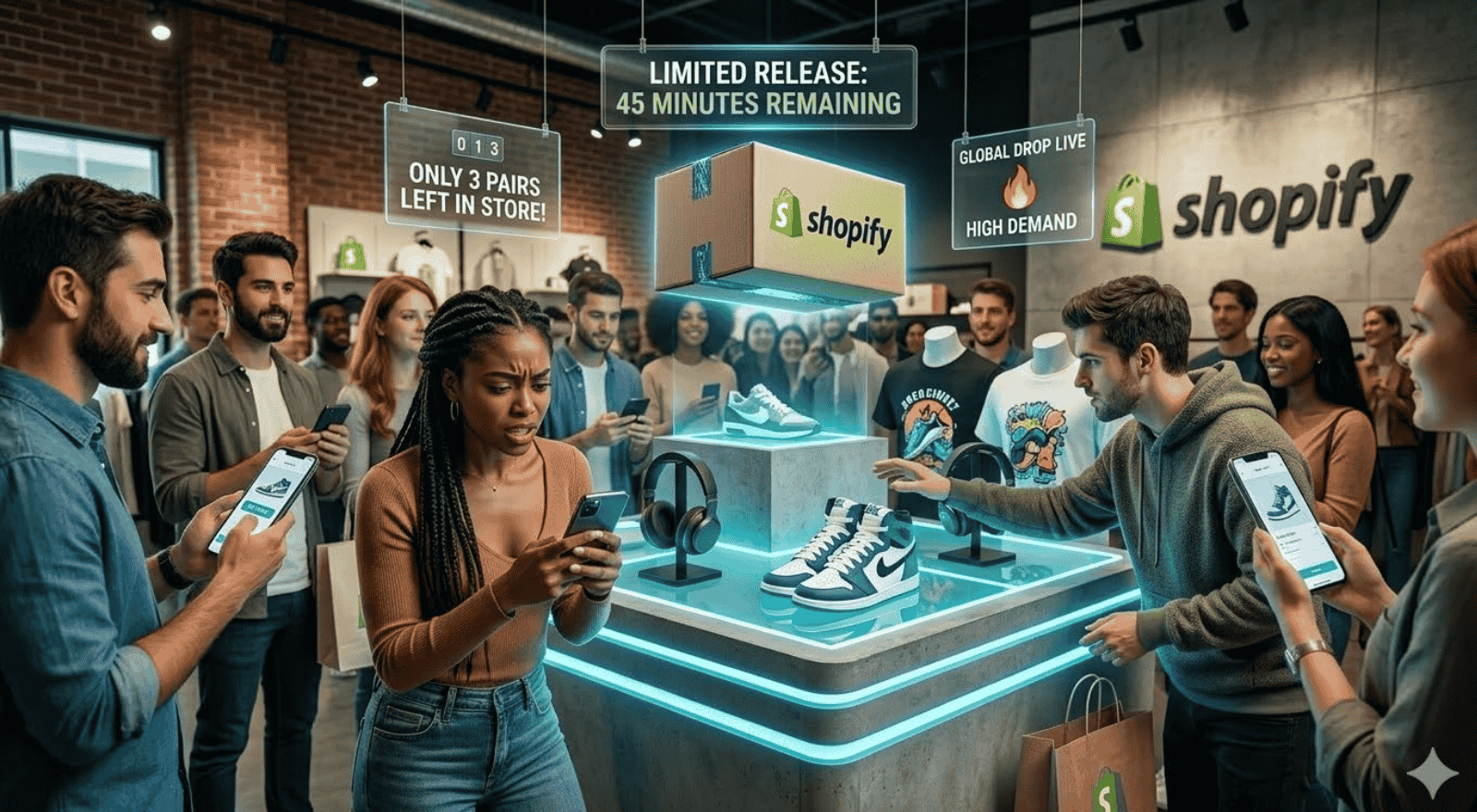
Hype marketing is a strategy used by ecommerce brands to generate excitement and anticipation before releasing a product. Instead of quietly launching items into a store catalog, brands create buzz around upcoming releases so customers actively look forward to the launch. This anticipation can significantly increase engagement and sales when the product finally becomes available.
Many Shopify brands rely on hype marketing to stand out in competitive markets. Online stores compete not only on price and product quality but also on attention. By building excitement before a release, brands can focus customer interest around a single launch moment rather than relying entirely on ongoing advertising campaigns.
Hype marketing works particularly well for product launches, limited releases, and product drops. By gradually revealing information about upcoming products, brands create curiosity that encourages customers to follow announcements and participate in the eventual release.
What Hype Marketing Means in Ecommerce
Hype marketing refers to a promotional strategy that builds excitement around a product before it becomes available for purchase. The goal is to create anticipation that motivates customers to pay attention to the launch and act quickly when the product is released.
Rather than revealing everything about a product immediately, brands often release information gradually. Teaser images, short videos, and partial product previews allow customers to become curious about what is coming next. This slow release of information creates a narrative that keeps audiences engaged.
When anticipation builds successfully, customers begin waiting for the release instead of simply discovering the product after it launches.
Why Shopify Brands Use Hype Marketing
Shopify merchants often use hype marketing because it helps generate attention without relying entirely on paid advertising. In crowded ecommerce markets, brands that create anticipation around their launches often receive stronger engagement from their audiences.
Hype campaigns allow brands to transform a simple product release into a memorable event. Instead of announcing a product once, merchants can extend the marketing timeline by gradually revealing new details leading up to the launch. This approach keeps the product visible across multiple marketing channels.
The strategy also helps concentrate traffic during a launch window. When customers know exactly when a product will be released, they often visit the store at the same time. This concentrated attention can lead to faster sell-through and stronger launch momentum.
Common Hype Marketing Strategies
Ecommerce brands use several different tactics to generate hype before launching products. While each brand may approach hype marketing differently, the core goal remains the same: build anticipation that encourages customers to return for the release.
Common hype strategies include:
- Teaser campaigns: Brands release small hints about upcoming products through images, videos, or short announcements that spark curiosity without revealing everything.
- Countdown marketing: Launch pages display a timer showing exactly when a product will become available, encouraging visitors to return at the release moment.
- Early access registration: Brands collect email addresses from customers who want to be notified when the product launches.
- Social media previews: Behind-the-scenes content and product previews keep audiences engaged during the pre-launch phase.
- Influencer collaborations: Creators or influencers promote the upcoming product release to their audiences, expanding awareness of the launch.
Each of these tactics helps maintain attention leading up to the release.
Hype Marketing and Product Drops
Hype marketing is closely connected to product drops because both strategies rely on anticipation and limited availability. When brands combine hype marketing with a scheduled drop, the release becomes a highly anticipated event rather than a routine product listing.
In many cases, hype marketing begins weeks before the drop occurs. Brands start teasing the product through social media posts, email campaigns, and early previews. These announcements allow customers to learn about the release gradually while building excitement.
By the time the drop occurs, customers already know the product and are ready to participate in the release.
How Shopify Brands Create Hype Before Launch
Successful hype campaigns usually follow a structured timeline that begins well before the product becomes available. Brands first introduce the idea of the upcoming release through teaser content that reveals only limited details about the product.
As the launch date approaches, merchants often share additional previews and information. This may include product photos, design insights, or stories explaining how the product was created. Each new piece of information builds momentum while encouraging customers to follow the brand closely.
Many Shopify brands also create dedicated launch pages where visitors can learn more about the upcoming release. These pages often include countdown timers and early-access signup forms that allow customers to register their interest before the drop begins.
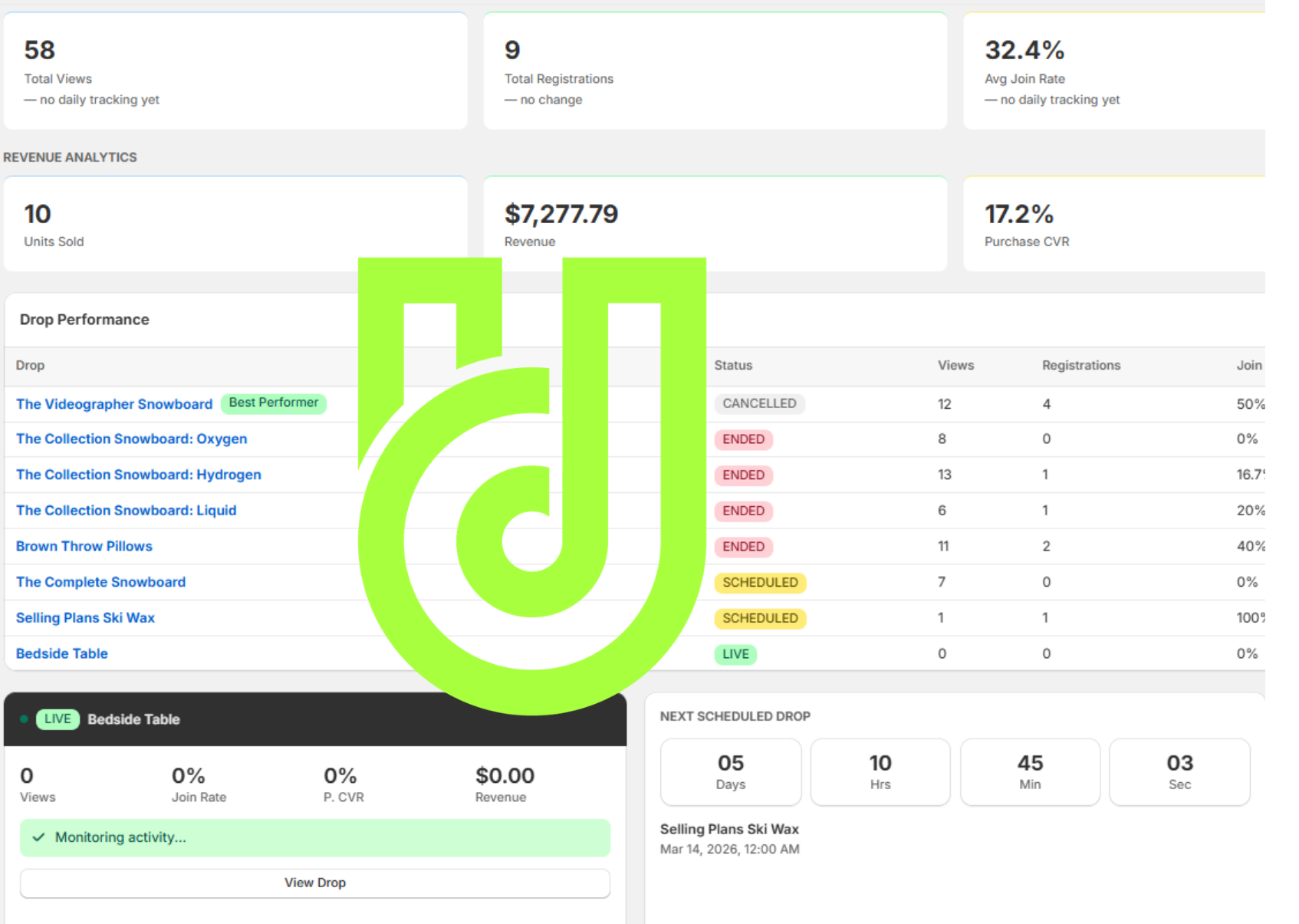
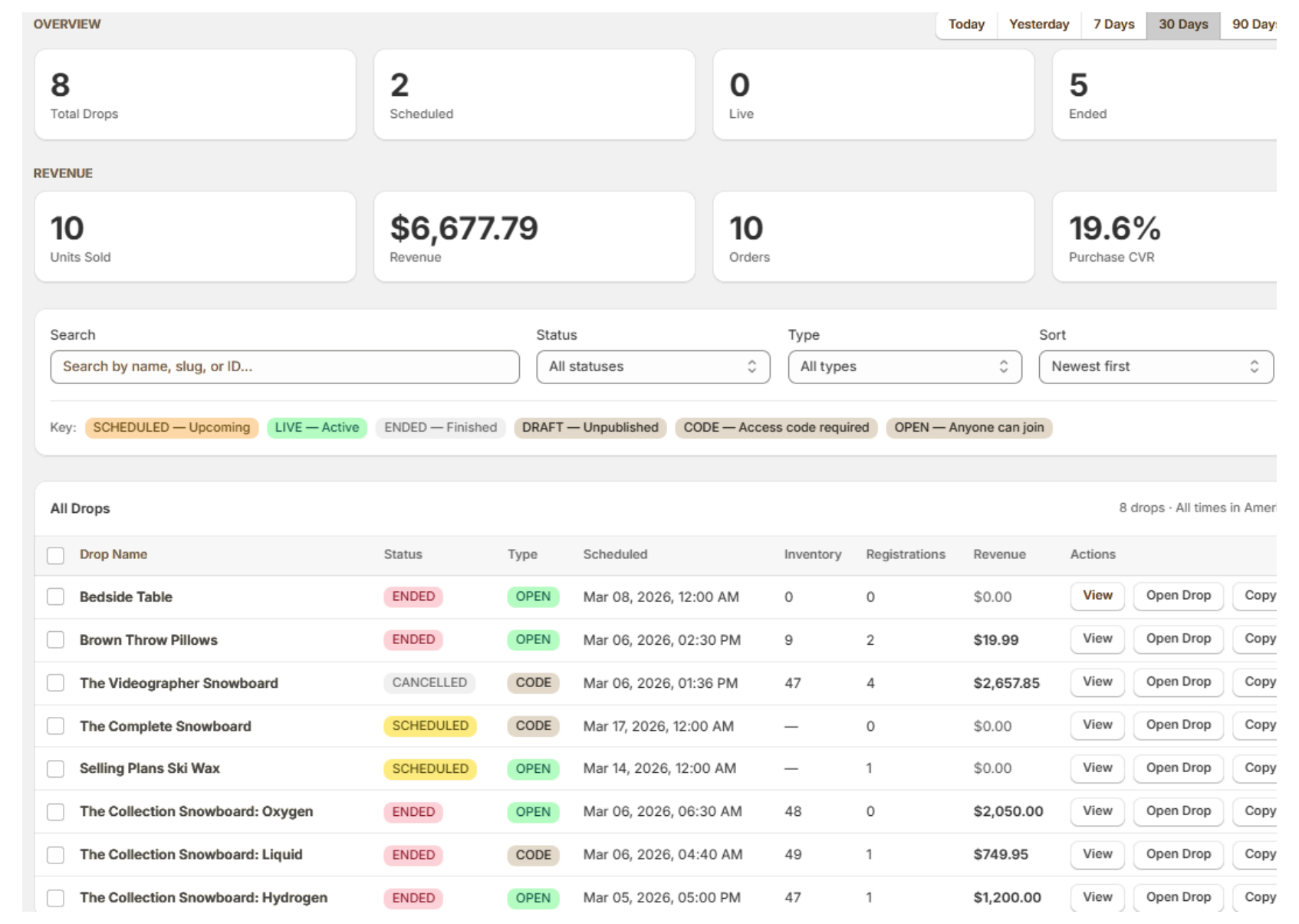
Infrastructure tools such as UnlistedDrop allow merchants to build hype pages with countdown timers and gated access inside Shopify stores. These pages help organize traffic and maintain excitement as the launch moment approaches.
Benefits of Hype Marketing
When executed well, hype marketing can provide several advantages for ecommerce brands. Instead of relying solely on paid traffic to generate sales, brands can create organic attention that grows as the launch approaches.
Key benefits include:
- Increased customer engagement: Teaser campaigns and previews keep audiences interacting with the brand before the product becomes available.
- Stronger launch momentum: When customers anticipate a release, they are more likely to visit the store at launch time.
- Higher perceived product value: Products that receive significant attention before launch often appear more desirable to customers.
- Better marketing efficiency: Hype marketing spreads attention across multiple announcements instead of relying on a single launch message.
- Community participation: Customers who follow hype campaigns feel more connected to the brand and its product releases.
These benefits explain why hype marketing has become a central strategy for many direct-to-consumer ecommerce brands.
Risks of Hype Marketing
Although hype marketing can be effective, brands must use the strategy carefully. If a product fails to meet expectations after a large hype campaign, customers may feel disappointed or misled.
Another risk occurs when brands generate excitement too frequently. If every product launch is heavily promoted with hype marketing, audiences may begin to ignore the messaging. Scarcity and anticipation work best when they are used selectively for important releases.
Brands should therefore ensure that the product itself delivers real value and quality. Hype marketing works best when it amplifies an already strong product rather than trying to compensate for a weak one.
The Future of Hype Marketing in Ecommerce
Hype marketing will likely continue to play an important role in ecommerce as brands compete for attention in increasingly crowded digital markets. Consumers are drawn to stories, experiences, and events rather than simple product listings. Marketing strategies that build anticipation align well with these expectations. The rise of creator-led brands and community-driven commerce will also influence the future of hype marketing. When audiences feel connected to a brand’s identity and mission, they are more likely to follow announcements and participate in product launches.
Technology is also making hype campaigns easier to organize. Shopify merchants can now create countdown pages, gated product access, and structured launch environments without complex development. Platforms such as UnlistedDrop allow brands to build hype pages and manage product drops directly inside their Shopify stores.
For many ecommerce brands, hype marketing has become a powerful way to transform product launches into moments that customers anticipate and share.
Explore more blogs